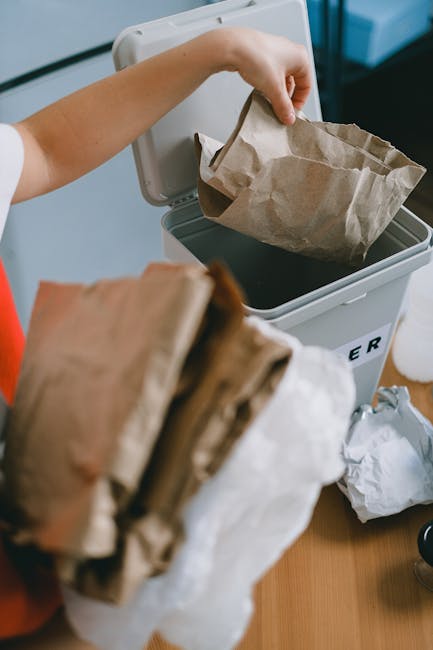
Rubbish collection near Bookham Station KT23 tips: a practical local guide for smoother clearances
If you are looking into rubbish collection near Bookham Station KT23 tips, chances are you want one thing: a simple, reliable way to get clutter gone without turning your day upside down. Maybe you have bags building up after a clear-out, maybe you are moving flat, or maybe the garage has finally crossed the line from "messy" to "no, honestly, this is too much". Whatever the reason, a good rubbish collection plan can save time, reduce stress, and stop you making avoidable mistakes.
This guide walks through how local rubbish collection usually works near Bookham Station, what to check before you book, and how to choose the right removal option for your waste. It is written for real life, not theory. So if you need the practical bits, the awkward bits, and the "wish I'd known that earlier" bits, you are in the right place.
Expert takeaway: the best rubbish collection is not always the cheapest or the quickest. It is the one that matches the type of waste, the access at your property, and the level of urgency. Get those three things right and the whole job becomes much easier.
Why Rubbish collection near Bookham Station KT23 tips Matters
Bookham Station sits in a busy everyday patch of KT23 where homes, small businesses, commuters, and trades all create different kinds of waste. That mix matters. A single house clear-out can involve black bags, cardboard, broken furniture, and the odd bulky item that will not just vanish into the wheelie bin, of course. A small office might need confidential shredding, old desks, packaging, and the remains of a printer that has seen better days. And a builder doing a quick job nearby may need rubble, wood offcuts, plasterboard, and mixed builders' waste removed without leaving the site looking like a bomb site.
Good rubbish collection near the station is about more than convenience. It helps keep driveways clear, reduces the risk of spills or trip hazards, and makes it easier to move waste without blocking access. Around stations and residential streets, that can be especially helpful because parking, loading space, and timing are often tight. You do not want a collection team arriving when your street is full and you are standing there with a sofa, a lamp, and a small growing sense of regret.
It also matters because waste rules are not something to guess at. Some items can be recycled, some need special handling, and some cannot be mixed with general rubbish at all. Getting that right from the start avoids delays, extra charges, and the awkward "sorry, we can't take that" conversation that nobody enjoys at 8:15 in the morning.
For many local households and businesses, a well-planned collection is really just a sensible bit of housekeeping. But when it is badly planned, even a small job can turn into a long one. The difference is usually preparation.
How Rubbish collection near Bookham Station KT23 tips Works
In practical terms, rubbish collection is the process of removing unwanted waste from your property, then sorting and transporting it for reuse, recycling, or disposal. The exact method depends on the provider and the type of waste, but most collections follow a fairly familiar pattern.
First, you describe what needs taking away. That might be a few bags, a bulky item, a garden pile, or a full property clearance. If you are clear about the waste type and volume, the collection can usually be planned more accurately. If not, estimates can drift. And once estimates drift, so do timings and prices.
Next comes access. Is the waste on the ground floor, up three flights of stairs, in a loft, or through a narrow side passage? Access changes labour time, vehicle positioning, and the number of people needed. Around Bookham Station, that can make a noticeable difference, especially if parking is awkward or the load has to be carried some distance.
Then the collection is scheduled. Some jobs are straightforward and can be handled quickly. Others need more care, especially if you are dealing with electronics, appliances, mattresses, sofas, or anything potentially hazardous. In those cases, it pays to check the service scope before the team arrives. A fridge is not just a big box, after all; it may need appliance-specific handling. The same is true for certain chemical, sharp, or contaminated items.
On the day, the crew removes the waste, does a visual sort if needed, and loads it safely. Reputable operators will usually separate recyclable materials where possible and aim to divert as much as they can from landfill. If you want to understand a provider's wider approach to reuse and disposal, their recycling and sustainability information can be a useful place to start.
Many local customers also want the booking side to be straightforward, which is fair enough. If you like planning ahead, you can look at book online options and compare that with a quote-first approach through pricing and quotes. Different jobs suit different booking styles.
Key Benefits and Practical Advantages
The real value of organised rubbish collection is not just that the waste disappears. It is what happens around that. You reclaim space, reduce stress, and often make the next stage of a project much easier. A room feels bigger when old items are gone. A shop feels less cramped when packaging and unused stock are cleared. A garden looks like it can breathe again once the green waste is dealt with. Small thing, but it changes the mood of a place.
Here are the benefits people tend to notice most:
- Speed: waste can be cleared in one visit rather than spread over several trips to a disposal site.
- Less physical effort: you do not need to load a car repeatedly or lift awkward heavy items yourself.
- Better safety: fewer loose bags, broken pieces, or blocked pathways around the property.
- Cleaner finish: the space is left ready for decorating, moving, trading, or simply living in again.
- Better sorting: recyclable and reusable items can be separated from general waste more easily.
- More predictable planning: you can set a time, clear the area, and get on with the rest of your day.
There is also a quiet financial benefit. If you choose the right service for the right waste, you are less likely to pay for unnecessary capacity or a second collection. That sounds obvious, but it happens more often than people think. Someone books a general collection for a garden load, then realises half the pile is soil, timber, and a broken barbecue that should have been described differently. A few careful minutes at the start can save a lot of back-and-forth later.
For businesses, the advantages can be even sharper. Less mess means a better impression for customers and staff, and removal can often be timed to reduce disruption. That is where a service such as business waste removal becomes especially useful, particularly if your waste is recurring rather than one-off.
Who This Is For and When It Makes Sense
Rubbish collection near Bookham Station KT23 makes sense for a wide range of people. If you are wondering whether your job is "big enough" to warrant a collection, the honest answer is that size is only part of it. Awkwardness counts too.
This is usually a good fit for:
- homeowners doing a one-off clear-out
- tenants leaving a flat or preparing for a move
- landlords dealing with leftover items after a tenancy
- office managers getting rid of old equipment or furniture
- tradespeople clearing builders' waste after a job
- gardeners or homeowners with a heavy green waste pile
- people clearing lofts, garages, sheds, or spare rooms
It also makes sense if you have bulky items that are awkward to move through the house. A mattress down a narrow staircase? Not fun. A wardrobe with a mind of its own? Even less fun. In those cases, specialist services can help. For example, mattress and sofa disposal can be more suitable than trying to piece together your own disposal plan, and furniture disposal is often the cleaner route when you have larger household items.
If the space you are clearing is an entire property rather than a single room, it may be worth looking at broader services such as house clearance, home clearance, or flat clearance. For people who have a loft, shed, or garage that has quietly become a storage black hole, those dedicated clearances can be far more efficient than a piecemeal approach.
Truth be told, if you are already asking whether it is worth getting help, it probably is. The tipping point often arrives earlier than you expect.
Step-by-Step Guidance
If you want a smooth rubbish collection near Bookham Station, the best thing you can do is follow a simple process. Nothing fancy. Just the basics done properly.
- Sort the waste by type.
Separate general rubbish from recyclables, furniture, garden material, appliances, and anything potentially hazardous. Mixed waste is harder to assess and can slow things down. - Estimate the amount realistically.
Think in terms of bags, items, or room sections rather than a vague "a lot". A photo often helps. If you are not sure, it is better to be roughly right than wildly optimistic. - Check access before booking.
Measure doorways, stairwells, and narrow hallways if you are removing large furniture. Note parking limits, loading restrictions, or if waste needs to be carried from the rear of the property. - Flag special items early.
Appliances, mattresses, confidential paperwork, and anything classed as hazardous need the right handling. Mention them before collection day, not during the handover when everyone is already on site. - Choose a service that matches the job.
Builders' rubble is different from household waste. Garden waste is different again. For renovation jobs, a dedicated builders' waste clearance option may be the sensible choice. - Prepare the items for easy loading.
Bag loose rubbish, flatten cardboard, stack lightweight items, and keep clear walking routes. A tidy staging area can cut collection time quite a bit. - Confirm what happens next.
Ask how recyclable items are handled, whether there are any exclusions, and what proof or receipt you will receive. It is basic, but useful.
One small practical tip: if you are doing the clear-out the night before, do not leave everything in the hallway and then hope morning-you will sort it out. Morning-you will not thank you for that. Speaking from the spirit of general human experience, that route leads only to coffee and mild despair.
Expert Tips for Better Results
People often assume rubbish collection is purely a logistics job, but a lot of the quality comes down to preparation. In our experience, the smoothest collections are the ones where the customer has thought through the waste, the access, and the disposal priorities beforehand.
Here are a few tips that tend to make a genuine difference:
- Take photos from more than one angle. One picture of a pile rarely tells the full story. A couple of wider shots are better.
- Keep heavy items accessible. Do not bury the bulky stuff under bags of light waste. It slows everything down.
- Separate reusable furniture if you can. If an item still has life in it, mention that early. Services such as furniture clearance are often easier to plan when the load is well described.
- Think about the route out of the property. A clear path through the house is more important than people expect. Shoes, plant pots, lamps, and toy trucks have a habit of appearing right where they should not.
- Be specific about appliances. Fridges, freezers, and similar items are not just bulky; they can need special handling. If you have one, look at fridge and appliance removal.
- Ask what will be recycled. A good provider should be able to explain the broad process, even if they cannot guarantee the fate of each individual item in advance.
Another useful habit is to group waste into "must go now" and "can wait" piles. That sounds simple, but it keeps the job focused. If you are paying for collection time, you want the crew spending that time loading, not sorting through a mystery heap of old boxes and tangled cables.
And yes, keep one eye on weather. A wet afternoon can turn cardboard into soup. No one wants that. Especially not at the front of a property near the station where everyone can see it.
Common Mistakes to Avoid
Most waste collection problems are preventable. They tend to come from vague descriptions, poor sorting, or leaving decisions until the last minute. That is the unglamorous truth of it.
Common mistakes include:
- Underestimating volume. A small pile can become a large one once it is gathered together.
- Mixing restricted items with general rubbish. Hazardous materials and electrical items often need separate handling.
- Ignoring access issues. Narrow stairs, tight parking, and long carry distances all affect the job.
- Leaving waste scattered around the property. That wastes time and can create missed items.
- Booking the wrong service type. General rubbish, garden waste, office waste, and builders' waste are not always treated the same way.
- Not checking site-specific risks. Loose nails, broken glass, damp floors, and low ceilings can all make a collection more awkward than it needs to be.
One of the bigger mistakes is trying to force everything into one generic plan. For example, a customer clearing a shed might have old fencing, soil, rusted metal, and bags of broken household items all together. That can be handled, but only if it is declared honestly. If not, the collection may need to be adjusted on the spot. Nobody likes those adjustments. Not really.
If the waste includes anything sensitive or confidential, such as paperwork, then a dedicated route is better. confidential shredding is worth considering rather than simply binning documents and hoping for the best.
Tools, Resources and Recommendations
You do not need special equipment to arrange rubbish collection, but a few basic tools make the job easier and safer.
- Heavy-duty bags for loose waste and small debris
- Work gloves for handling rough or dusty items
- Tape and boxes for sharp or fragile waste
- Marker pens to label items or piles
- A phone camera to document the load before collection
- Measuring tape for awkward furniture or access points
For some jobs, you may also want to compare collection with skip use. That depends on space, timing, and how much sorting you want to do yourself. If you are unsure what can be loaded into a skip, the page on what can go in a skip is a handy reference point. Skips suit some projects well; collection suits others. Different tools, different trade-offs.
If your waste includes garden cuttings, hedge trimmings, or old compost sacks, a dedicated garden clearance option may be better than bundling everything into a broader household job. The same logic applies to storage-heavy spaces. A messy attic may call for loft clearance, while a cluttered shed or workshop might be better handled through garage clearance.
There is also a trust angle here. It helps to choose providers who are clear about process, safety, and payment. Pages such as insurance and safety, health and safety policy, and payment and security can tell you a lot about how seriously a company treats the basics. Boring? Maybe a bit. Important? Absolutely.
Law, Compliance, Standards, or Best Practice
When rubbish is collected, the legal and practical expectation in the UK is that waste is handled responsibly, transferred to the right place, and not abandoned or fly-tipped. You do not need to be a legal expert to stay safe, but you do need to be careful about who removes your waste and what they do with it.
Best practice usually includes:
- describing the waste honestly
- keeping hazardous items separate unless the provider explicitly accepts them
- avoiding contamination of recyclable loads
- using a provider that can explain how waste is managed
- making sure confidential material is destroyed properly
For businesses, the standard is a bit higher in practice because there is a duty to keep operations tidy, safe, and professionally managed. That does not mean every office job needs a huge clearance. It simply means repeat waste streams should be planned rather than left to build up. If you run a workspace or retail unit, office clearance can be a useful one-off reset, while business waste removal is often the better fit for ongoing needs.
There is also an environmental best-practice angle. Reuse first, recycle where possible, and dispose of the remainder properly. That order matters. A chair that can be reused is better than one that is immediately treated as general waste. A stack of cardboard that can be recycled should not be bundled in with soil and broken plasterboard if it can be avoided. Small choices, but they add up.
If you are handling anything fragile, sharp, oily, or chemically suspicious, pause and check before you mix it in. That one pause can prevent a lot of trouble. To be fair, "I'll just put it all in one bag" is how half the awkward jobs begin.
Options, Methods, or Comparison Table
There are several ways to manage waste near Bookham Station. The best option depends on how much you have, how quickly it needs to go, and how much effort you want to spend doing it yourself.
| Option | Best for | Pros | Watch out for |
|---|---|---|---|
| One-off rubbish collection | Mixed household waste, bulky items, quick clear-outs | Fast, convenient, little lifting for you | Needs clear description of items and access |
| Skip hire | Projects with ongoing waste over several days | Good for gradual filling, flexible timing | You must load it yourself and confirm permitted waste |
| Specialist clearance | Furniture, appliances, lofts, garages, gardens, offices | Tailored to specific waste types, usually more efficient | May need advance planning for excluded items |
| Self-haul to a disposal site | Small, manageable loads and available transport | Full control over timing | Time-consuming, physically demanding, multiple trips possible |
If you like to keep things simple, a collection service is often the easiest path for a single job. If you are renovating a room and the waste will build up over a week, a different approach may suit better. The point is not to pick the "best" option in theory. It is to pick the one that fits the mess in front of you.
Case Study or Real-World Example
Here is a realistic example. A small household a short distance from Bookham Station wanted to clear a spare room before a relative moved in. The room held a broken chest of drawers, several bags of mixed clutter, a mattress, old office paper, and some packaging from furniture purchases. Nothing dramatic. Just that familiar accumulation you barely notice until you open the door and stare at it for a moment too long.
The key to making it work smoothly was not speed. It was sorting. The mattress was separated from the general waste. Paper was bagged for confidential disposal. Flat-pack packaging was kept together. The old drawers were checked for any reusable parts, then set aside for furniture clearance. The result was a cleaner quote, quicker removal, and less confusion when the collection team arrived.
What made the biggest difference? Clear access. They moved a couple of bikes, folded away a drying rack, and made sure the hallway was clear. That tiny bit of prep meant the job could be done without constant stops and starts. The collection felt orderly rather than chaotic, which is really what most people want when they are already juggling a move or a family change.
The same idea works for businesses too. A clinic, office, or shop does not need to shut down for a tidy-up if the waste is planned properly. A bit of advance sorting, a realistic booking, and the right service type can make a room feel transformed by lunch. It sounds almost too simple, but often that is the trick.
Practical Checklist
Use this checklist before your rubbish collection booking:
- Identify the main waste type: household, furniture, garden, builders', office, or mixed
- Take a few clear photos of the waste
- Estimate volume as accurately as you can
- Check access routes, stairs, and parking
- Separate hazardous, sharp, or confidential items
- Flatten cardboard and bag loose rubbish
- Keep reusable or specialist items apart
- Confirm the collection time and any arrival window
- Review any exclusions before the day
- Make sure the area is safe and easy to walk through
Quick practical note: if you are clearing a whole room, start at the back and work forward. It keeps the pile organised and stops you creating a second mess while trying to clear the first one.
Conclusion
Rubbish collection near Bookham Station KT23 does not need to be complicated. Most of the stress comes from poor preparation, vague descriptions, or choosing the wrong type of service. If you sort the waste, check access, and match the job to the right collection method, you make the whole process easier on yourself and everyone else involved.
The best tip? Do not wait until the pile becomes a problem you have to step around every day. A well-timed collection can reset a space quickly and give you a proper fresh start, which feels better than it sounds. Sometimes the quiet relief of an empty hallway or cleared garage is worth more than the labour saved.
If you are comparing options, taking photos, or just trying to work out what should go where, keep the process simple and ask the practical questions early. That is usually where the real savings are.
Get a free quote today and see how much you can save.
Frequently Asked Questions
What is the best way to arrange rubbish collection near Bookham Station?
The best approach is to describe the waste clearly, note access details, and choose a service that matches the type of rubbish. Photos help a lot, especially if the load includes bulky or mixed items.
Can I mix furniture, bags of rubbish, and cardboard in one collection?
Sometimes yes, but only if the provider accepts mixed waste and the items are all suitable for the same collection. If you separate cardboard and reusable furniture first, the job is often easier and cleaner.
How far in advance should I book rubbish collection?
For simple one-off jobs, a short lead time may be enough. For larger clear-outs, stair-heavy properties, or business collections, it is better to book early so access and labour can be planned properly.
What should I do with an old mattress or sofa?
Those items are usually better handled through specialist disposal rather than bundled into general rubbish. Dedicated mattress and sofa disposal is often the neater choice.
Is it worth using rubbish collection instead of a skip?
It depends on the project. Collection is often better for fast removal and bulky items. A skip can be useful if you are generating waste over several days and want somewhere to keep filling it.
What if I have waste from a renovation or building job?
Builders' waste often needs a more suitable collection plan because rubble, timber, plasterboard, and packaging are not all treated the same. A builders' clearance service is usually the best match.
Can office waste be collected from near Bookham Station?
Yes, office waste can usually be handled, including furniture, packaging, and paperwork. If the waste includes confidential material, use a service that supports proper shredding and secure handling.
What happens to rubbish after it is collected?
It is typically sorted for reuse, recycling, or disposal depending on the item and condition. Good providers will aim to divert as much as possible from landfill, where practical.
Do I need to sort everything before collection day?
You do not need to sort every last item perfectly, but a basic separation of waste types helps. It reduces confusion, speeds up loading, and makes it easier to handle special items correctly.
Are there items that rubbish collectors may refuse?
Yes. Hazardous waste, certain chemicals, and some restricted items may need separate arrangements. It is always better to mention questionable items in advance rather than hoping they will be accepted on the day.
How can I make the collection cheaper or more efficient?
Be accurate about volume, keep access clear, and separate reusable or recyclable items where possible. The more organised the load, the easier it is to assess and remove efficiently.
Who benefits most from rubbish collection near Bookham Station?
Homeowners, tenants, landlords, tradespeople, and local businesses all benefit. Anyone dealing with bulky, mixed, or time-sensitive waste usually finds a collection service more convenient than doing several trips themselves.
And if you are still standing in front of the pile wondering where to begin, start with one bag, one box, one decision. That is usually enough to get things moving, and once they start moving, the rest tends to follow.
For a closer look at how different services work together, you may also want to explore waste removal, home clearance, or the company's about us page if you want a better sense of their approach and standards.