Commercial Waste Great Bookham — Health & Safety Policy
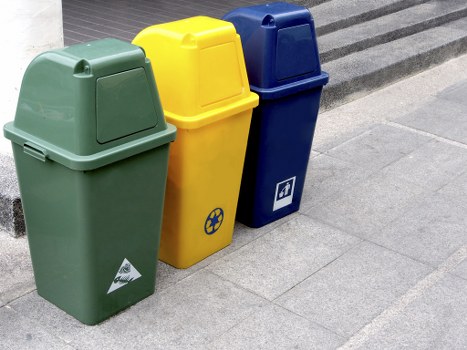 Purpose and scope: This Health and Safety Policy sets out the responsibilities, procedures and controls for the safe handling, collection and disposal of commercial waste across our service area. It applies to all employees, contractors and authorised visitors engaged in commercial rubbish services Great Bookham and surrounding operational zones. The policy emphasises risk reduction, statutory compliance and continual improvement while remaining focused on practical, operational safety for waste collectors, drivers and site staff.
Our company recognises the importance of a systematic approach to waste management and occupational safety. All staff are required to familiarise themselves with the procedures, wear specified personal protective equipment and report hazards promptly. The aim is to eliminate incidents, reduce exposure to hazardous substances and maintain a workplace culture that prioritises safe rubbish collection and commercial waste operations.
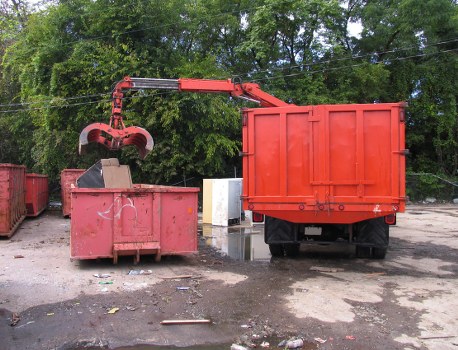
Responsibilities
Management holds ultimate accountability for health and safety. Supervisors must ensure briefings, training and risk assessments are in place and up to date. Individual workers are required to follow safe systems of work, use control measures and notify supervisors of near misses. Contractors engaged for specialised services must provide evidence of their own safety processes and comply with our standards for commercial rubbish collection and waste transfer.Risk assessment and control measures
Routine and task-specific risk assessments are conducted for vehicle operations, manual handling, hazardous waste, sharps, spill response and lone working. Control measures include vehicle safety checks, segregation of waste streams, safe lifting techniques, and sealed containment for hazardous materials. Preventative maintenance and daily vehicle inspections are mandatory to prevent mechanical failures that could lead to injury or environmental release.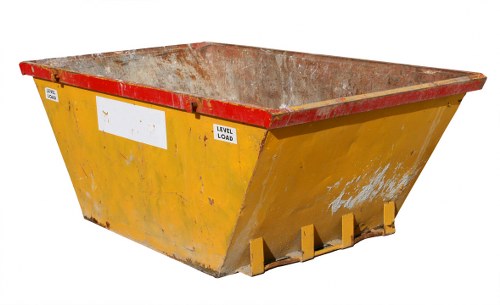 Training and competence: All personnel undertake induction training covering relevant legislation, practical safe working procedures and emergency response. Refresher courses are scheduled regularly and additional role-specific training is provided for plant operators, drivers and waste sorters. Competence is assessed and documented; training records are retained and reviewed as part of ongoing safety performance monitoring.
Personal protective equipment (PPE) requirements are specified for each task and must be used whenever exposure risks are present. Examples include high-visibility clothing, gloves suitable for the waste type, steel-capped footwear and respiratory protection where needed. PPE is maintained, replaced as necessary and its use is enforced by supervisors to reduce exposure during rubbish removal and site handling.
Emergency preparedness and incident management: The policy mandates clear reporting lines for accidents, near misses and environmental incidents. First-aid arrangements, spill kits and emergency contact procedures are established at operational hubs and documented in site-specific plans. Investigation of incidents seeks root causes and actions to prevent recurrence, with findings shared across the team to strengthen our commercial waste safety practices.
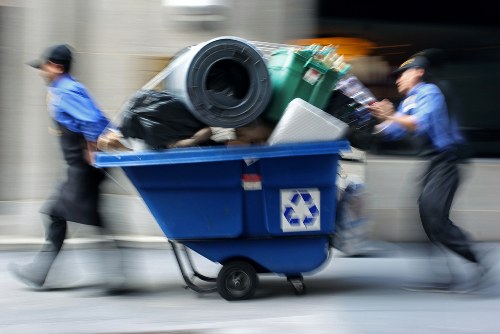 Operational controls and safe working procedures: Written safe systems of work are provided for vehicle loading, bin tipping, compacting and yard operations. Vehicle routes are planned to minimise reversing and pedestrian interactions. Lifting aids and mechanical assistance are promoted to reduce manual handling injuries, and segregation protocols ensure that general refuse, recyclable materials and hazardous wastes are handled appropriately during collection and transfer.
 Monitoring, auditing and performance: We conduct regular audits, toolbox talks and performance reviews to ensure compliance with this policy. Key performance indicators include incident frequency, training completion rates and audit findings. Corrective actions are tracked until closure, and senior management reviews safety performance quarterly to allocate resources for improvement.
Waste segregation and environmental controls: Clear operational rules govern the acceptance, segregation and documentation of commercial waste streams. Spill prevention, containment and waste transfer protocols reduce the risk of environmental harm. Our approach supports sustainable waste handling, minimising cross-contamination while maintaining safe rubbish collection processes for business customers.
Key safety rules include:
- Pre-collection checks for hazardous items and sharps;
- Use of appropriate PPE for each waste category;
- Reporting of defects, spills or unsafe conditions immediately;
- Adherence to load security and vehicle stability procedures.
Review and continuous improvement: This policy is reviewed at least annually and whenever significant operational changes occur. Lessons learned from incidents and audits drive practical updates to procedures and training. Everyone from senior managers to operatives is expected to contribute to a safer workplace by suggesting improvements and participating in safety initiatives related to commercial rubbish collection and waste management.
Legal and compliance statement: The organisation commits to meeting relevant health, safety and environmental obligations and to cooperating with regulatory authorities during inspections. Compliance is the baseline; our goal is to achieve best-practice standards for commercial waste services while protecting workers, the public and the environment.
Conclusion: This Health and Safety Policy underpins safe, reliable and compliant commercial waste operations. By embedding risk awareness, training, and clear procedures into daily work, the business ensures that rubbish collection and waste handling are performed safely and consistently across its service area. All staff and contractors must uphold these standards and participate actively in maintaining a safe working environment.
